
What Is the Paul Stamets Stack?
The Paul Stamets Stack is a microdosing protocol combining three specific compounds: psilocybin mushrooms, Lion’s Mane (Hericium erinaceus), and niacin (vitamin B3, flush type). Mycologist Paul Stamets patented this three-component combination in 2017, proposing that the compounds work together to amplify neuroplasticity effects beyond what psilocybin alone might produce. The protocol has not been tested in formal clinical trials as a complete regimen. Psilocybin is a Schedule I controlled substance in the United States and is illegal in most jurisdictions worldwide — this legal status applies regardless of how the substance is used.
The stack emerged from Stamets’ broader work in mycology and his interest in the cognitive and neurological applications of fungal compounds. The 2017 patent formalized the combination, and the protocol has since been refined — most notably in April 2023, when Stamets updated his guidance on niacin dosing. The core idea remains that each component serves a specific theoretical role, and combining them may produce effects that no single ingredient achieves alone. Whether that synergy exists in practice is a separate question from the theory, and the evidence available so far is limited in meaningful ways.
The Three Components and Their Proposed Roles
Each component in the stack has a distinct proposed function. These roles are theoretical rather than clinically confirmed mechanisms.
Psilocybin Mushrooms
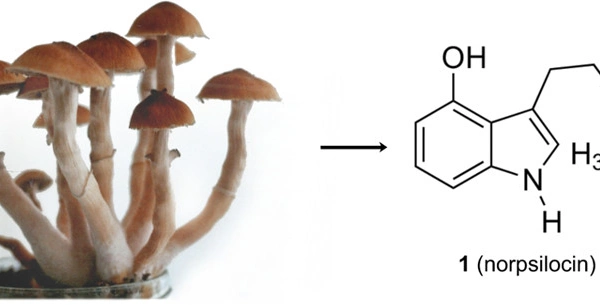
Psilocybin mushrooms form the psychoactive foundation of the protocol. Stamets theorized that psilocybin, at microdose levels, promotes neuroplasticity — the brain’s capacity to form and reorganize connections. At sub-perceptual amounts, the intent is no hallucinogenic effect, but potentially meaningful neurological activity. The science around psilocybin and neuroplasticity is active but still developing, and available research does not yet confirm that microdosing produces the same neuroplastic effects observed at full doses.
Lion’s Mane (Hericium erinaceus)
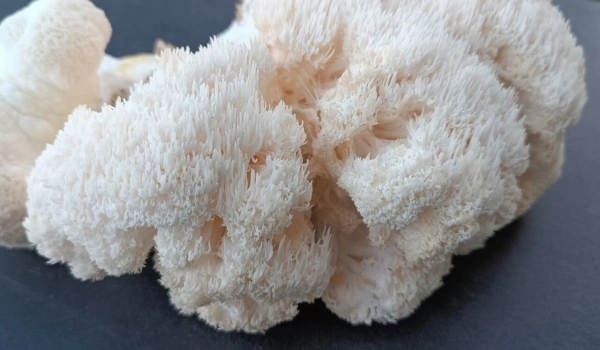
Lion’s Mane is a non-psychoactive functional mushroom with its own research profile, independent of its role in this stack. Stamets included it based on the proposed role of its bioactive compounds — particularly hericenones and erinacines — in stimulating nerve growth factor (NGF) production. NGF is a protein that supports the maintenance and growth of neurons. Laboratory and some animal studies have explored this connection, though clinical evidence in humans remains limited. Lion’s Mane is a legal dietary supplement in most countries and is clearly distinct from psilocybin: it contains no psychoactive compounds and produces no hallucinogenic effects.
Niacin (Vitamin B3, Flush Type)
Niacin was added to the stack because of its vasodilatory properties. Stamets’ theoretical rationale is that niacin, by widening blood vessels, helps deliver both psilocybin and Lion’s Mane compounds deeper into the peripheral nervous system and neural extremities. The flush type of niacin is specifically required for this proposed mechanism; the no-flush variety (inositol hexanicotinate) does not produce vasodilation in the same way and should not be substituted.
In April 2023, Stamets updated his niacin guidance, stating that a low dose of 25–50 mg is sufficient. Earlier descriptions of the protocol cited higher amounts, but the 2023 update reflects a more conservative position. Flush niacin causes noticeable side effects including skin flushing, itching, and stomach upset — effects that are more pronounced at higher doses.
Protocol Schedule and Component Amounts
The most commonly cited schedule is 4 days on followed by 3 days off, repeated over a 4–6 week period, then followed by a 2–6 week reset break before beginning again. The reset period is considered an integral part of the protocol as described — continuous use without breaks is not how the regimen is structured.
The amounts below come from published protocol descriptions and observational reporting, not from clinical trials. They are not personal consumption recommendations. Psilocybin remains illegal in most countries regardless of the amount involved.
| Component | Proposed Role | Source-Cited Starting Amount | Key Note |
|---|---|---|---|
| Psilocybin mushroom powder | Neuroplasticity promotion (theoretical) | 100–200 mg | Controlled substance in most jurisdictions; amounts from observational and theoretical sources only |
| Lion’s Mane (Hericium erinaceus) | NGF support (theoretical) | 50–200 mg | Legal non-psychoactive supplement; serving sizes vary by product and extract form |
| Niacin (flush type, vitamin B3) | Vasodilation for compound delivery (theoretical) | 25–50 mg (updated 2023); earlier descriptions cited 100–200 mg | No-flush variety (inositol hexanicotinate) should not be used; causes flushing, itching, stomach upset |
The niacin component is described as optional in some accounts of the protocol, though it is part of Stamets’ original patent rationale. All amounts referenced above come from published protocol descriptions and observational reporting — they do not represent clinical trial dosages or medical recommendations.
What the Research Actually Shows
The most significant published research on the Stamets Stack to date is a 2022 observational study published in Nature and co-authored by Paul Stamets. The study found that participants who microdosed psilocybin in combination with Lion’s Mane and niacin reported better mental health outcomes than participants who microdosed psilocybin alone. These outcomes were self-reported: participants assessed their own mental health changes rather than being evaluated through standardized clinical measurements.
This distinction matters. An observational study captures what people report about their own experiences; it cannot establish that the stack caused the better outcomes, only that the association was present in that group of self-selected participants. Several factors limit what can be concluded from this design:
- Participants were not randomly assigned — those who chose to use the full stack may have differed in other relevant ways from those who did not.
- There was no placebo control, so expectation effects cannot be ruled out.
- Self-reported mental health outcomes are subject to recall bias and subjective interpretation.
- The study cannot confirm whether any benefit came from the combination specifically, or whether one component was driving the effect.
The 2022 study provides indirect evidence that the stack may offer something beyond psilocybin alone, but it cannot confirm additive or synergistic mechanisms. No formal clinical trials on the full three-component protocol have been conducted. All claimed benefits beyond what this single observational study documents remain anecdotal. Stamets’ co-authorship of the study is worth noting when assessing its independence, though the study was peer-reviewed and published in a credible journal.
Lion’s Mane as a standalone compound has a separate and more established research profile, including laboratory and animal studies exploring NGF-related effects and some small human trials in cognitive and mood contexts — but this research belongs to Lion’s Mane independently, not to the stack as a combined protocol.
Legal Alternatives to the Full Stack
For people in jurisdictions where psilocybin is prohibited — which includes most of the world — a functional mushroom stack can be built using only legal ingredients. This legal alternative does not replicate the full Stamets Stack and should not be treated as an equivalent, but it does allow access to the non-psychoactive components that have their own research support.
Lion’s Mane (Hericium erinaceus) is the most directly relevant legal component, since it appears in the original stack and has the most relevant research background among functional mushrooms for cognitive and neurological applications. It is a non-psychoactive dietary supplement available in capsule, powder, and extract forms. It can be used independently or combined with other legal functional mushrooms and adaptogens.
A legal alternative stack might include:
- Lion’s Mane (Hericium erinaceus) — for NGF support, based on existing laboratory and some human research
- Reishi (Ganoderma lucidum) — a functional mushroom often used for stress adaptation and immune support
- Chaga (Inonotus obliquus) — a functional mushroom with antioxidant research interest
- Ashwagandha — an adaptogen commonly combined with functional mushrooms in cognitive wellness formulations
- Rhodiola rosea — an adaptogen with research interest in fatigue and stress resilience
- Omega-3 fatty acids — with established research on neurological health
When choosing Lion’s Mane or any functional mushroom supplement, the form matters. Products standardized for beta-glucan content, made from fruiting bodies rather than myceliated grain, and verified through third-party testing tend to be more reliably potent. Serving sizes vary considerably between products, so checking the label for extract ratio and active compound content is more useful than comparing raw milligram amounts alone.
None of these legal alternatives introduce a psychedelic component. Their effects and the mechanisms involved are different from those proposed for psilocybin in the original stack.
Safety Considerations and Who Should Be Careful
Each component of the Stamets Stack carries its own safety profile, and the combination has not been evaluated in controlled clinical settings as a complete protocol.
Psilocybin is a Schedule I controlled substance in the United States and is illegal in most countries. Possessing, producing, or using psilocybin mushrooms in a prohibited jurisdiction carries legal risk that is separate from any health considerations. From a health perspective, psilocybin — even at microdose levels — may be inappropriate for people with a personal or family history of psychosis, schizophrenia, or bipolar disorder with psychotic features. Anyone on psychiatric medications should be particularly cautious, as interactions are not well studied and the combination may carry uncharacterized risks.
Niacin (flush type) reliably causes skin flushing, itching, and stomach upset, particularly at higher doses. People with cardiovascular conditions should consult a healthcare provider before using flush niacin, since vasodilatory effects are not always benign in the context of heart disease or blood pressure medication. Liver function should also be considered at higher niacin doses over longer periods.
Lion’s Mane is generally well tolerated as a dietary supplement, but some individuals report gastrointestinal discomfort. Allergic reactions, though uncommon, have been reported. People with mushroom allergies should exercise caution.
Groups who should consult a qualified healthcare professional before using any component of this protocol include:
- People taking prescription medications, particularly psychiatric, cardiovascular, or immunosuppressant drugs
- Pregnant or breastfeeding individuals
- People with a personal or family history of psychosis, schizophrenia, or severe bipolar disorder
- Those with cardiovascular conditions or blood pressure irregularities
- People scheduled for surgery (both niacin and mushroom supplements may affect bleeding or drug metabolism)
- Anyone with chronic liver, kidney, or autoimmune conditions
The absence of formal clinical trial data on the full stack means its safety profile as a combined protocol is genuinely unknown. Each component has been studied separately to varying degrees, but how they interact together — particularly when psilocybin is involved — has not been evaluated in a controlled setting. Speaking with a physician or qualified healthcare provider before using any component of this protocol is a practical step, not a formality.