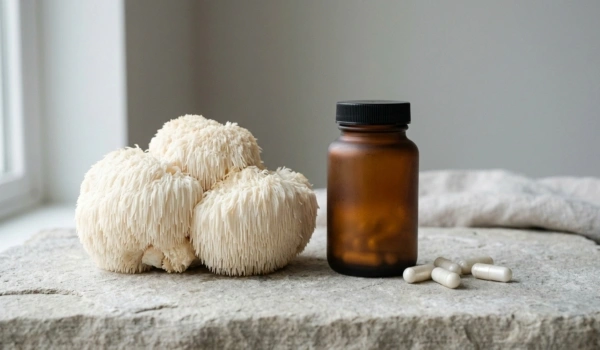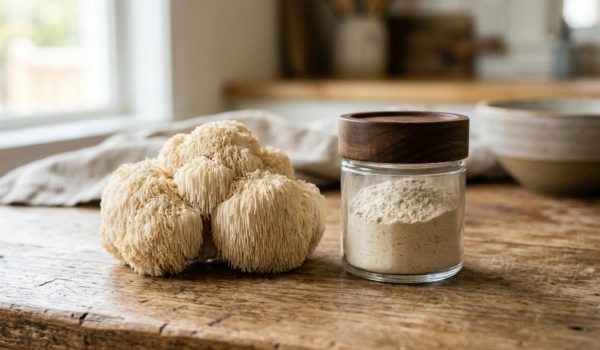

If you want to not just improve the quality of your life but make a real leap in health and cognitive abilities, meet the amazing mushroom — *Lion’s Mane Mushroom* (Hericium erinaceus). Over my 5+ years of microdosing experience, including on myself, I have encountered many natural wonders, but this mushroom deserves special attention.
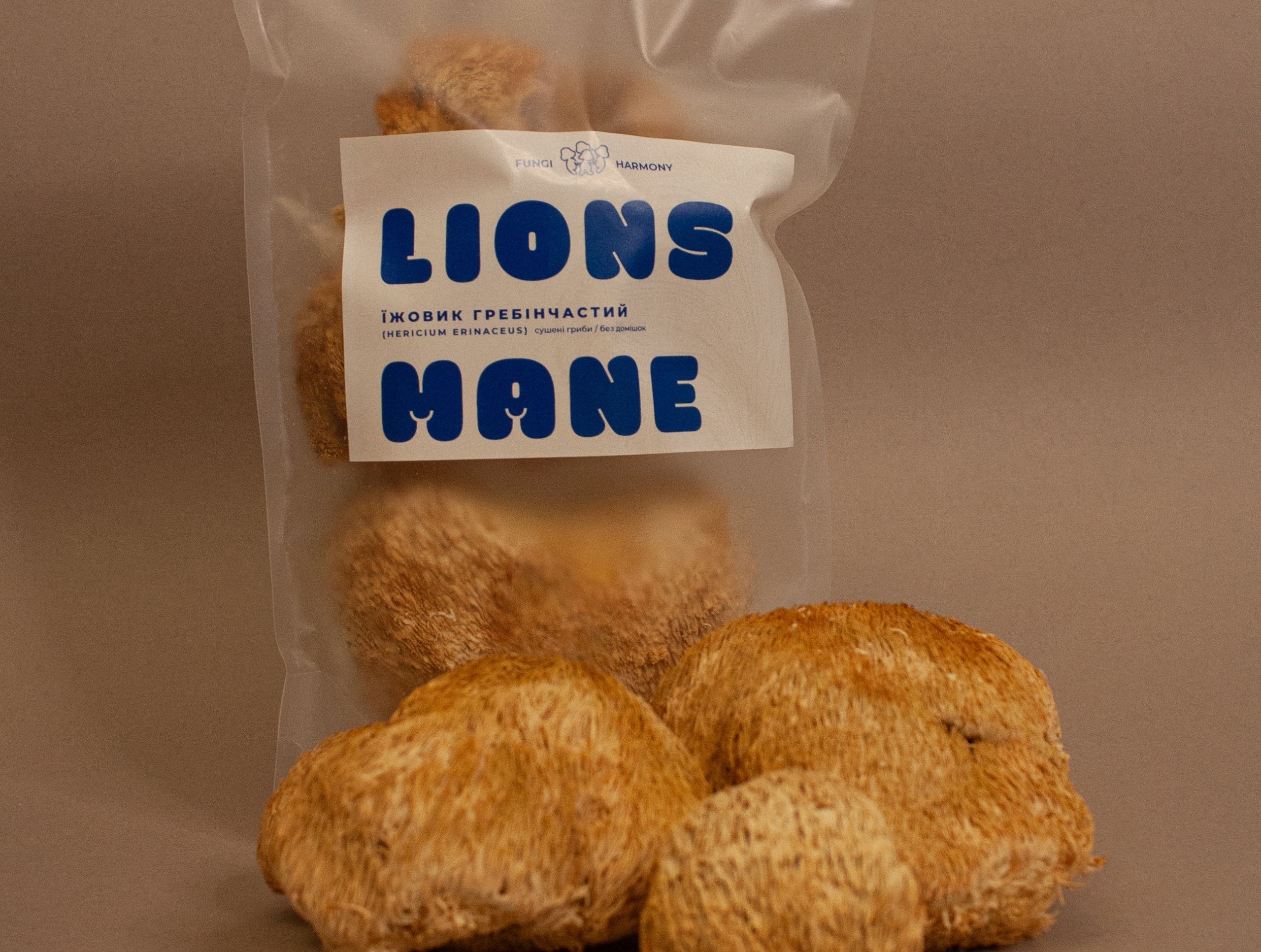
*Lion’s Mane Mushroom* is an unusual fungus with white, fluffy structures resembling a lion’s mane. It is known not only for its aesthetic appeal but also for its impressive health properties.
*Lion’s Mane Mushroom* has been used for centuries in traditional Chinese and Japanese medicine. Today, it has gained global popularity as a powerful nootropic.
If you search the biomedical research database PubMed and type “Hericium erinaceus,” you’ll get 374 results. Hericium erinaceus is the Latin name for Lion’s Mane Mushroom. It seems to attract a lot of scientific interest.
Benefits of Lion’s Mane Mushroom
Lion’s Mane offers numerous benefits that make it a universal remedy.
The mushroom contains bioactive compounds such as hericenones and erinacines. These substances stimulate the production of NGF (nerve growth factor), which plays a key role in supporting and regenerating nerve cells.
A key 2009 study demonstrated that regular consumption of Lion’s Mane extract over 16 weeks improved cognitive abilities in older adults with mild cognitive impairments. The group taking the mushroom showed significant memory and concentration improvements compared to the placebo group.
| Cognitive Function | Effect with Lion’s Mane | Placebo Effect |
|---|---|---|
| Memory | 30% improvement | Minimal changes |
| Concentration | 25% improvement | No changes |
These results confirm that regular consumption of the mushroom helps slow down age-related brain changes.
Improved memory and concentration. Active compounds in Lion’s Mane enhance connections between neurons, making it effective for combating “brain fog” and maintaining mental clarity. These properties are especially useful for students, professionals, and older adults.
Immune support. High antioxidant content makes the mushroom an excellent tool for boosting the body’s defenses.
Stress reduction. Lion’s Mane helps combat anxiety and improves overall mood.
Popularity in the IT Sector and Among Programmers
Microdosing Lion’s Mane has become a genuine trend in Silicon Valley and the IT community. Programmers and entrepreneurs often look for ways to boost productivity, improve focus, and manage stress under high workloads. Thanks to its nootropic properties, Lion’s Mane fits perfectly into this picture.
Why IT Professionals Choose Lion’s Mane:
- Improved memory and problem-solving. Programmers need to quickly master new technologies and programming languages, and Lion’s Mane aids in this.
- Increased focus throughout the day. The mushroom helps combat “cognitive fatigue” during long work sessions.
- Stress reduction. Working in startups and IT companies often involves tight deadlines and high stress, and this mushroom helps maintain emotional stability.
- Natural alternative to caffeine and stimulants. Unlike coffee, Lion’s Mane does not cause nervousness or energy crashes.
Many well-known tech industry representatives, including startup founders and company leaders, share their experiences using Lion’s Mane microdosing as part of their morning routine.
Composition and Nutritional Value
Below is a table with the main vitamins and minerals found in Lion’s Mane capsules (calculated per 1 and 2 grams):
| Nutrient | Per 1 g | Per 2 g |
| Vitamin B1 (Thiamine) | 0.1 mg | 0.2 mg |
| Vitamin B6 (Pyridoxine) | 0.14 mg | 0.28 mg |
| Folic Acid | 10 mcg | 20 mcg |
| Iron | 0.6 mg | 1.2 mg |
| Potassium | 90 mg | 180 mg |
| Zinc | 0.4 mg | 0.8 mg |
This is not an exhaustive list, but it clearly shows how nutrient-rich this mushroom is.
Health Issues Lion’s Mane Can Help With
1. Depression and Anxiety
Lion’s Mane can be a powerful natural antidepressant. Research has shown that regular consumption of the mushroom reduces cortisol (stress hormone) levels and improves emotional well-being. Users report reduced anxiety and a sense of inner calm.
| Issue | Effect with Lion’s Mane | Placebo Effect |
|---|---|---|
| Depression | 50% symptom reduction | Minimal improvements |
| Anxiety | 40% reduction | No changes |
2. Diabetes
Lion’s Mane helps regulate blood sugar levels. Its active components improve insulin sensitivity and prevent glucose spikes, making it especially beneficial for people with type 2 diabetes.
3. Inflammation and Pain
The mushroom has powerful anti-inflammatory properties. It helps with chronic joint inflammation, muscle pain, and other similar issues. It works more gently than traditional medications and does not cause side effects.
4. Heart Health
Reducing cholesterol levels and improving vascular elasticity are other strengths of Lion’s Mane. This reduces the risk of cardiovascular diseases and supports heart health.
5. Immune Boost
Lion’s Mane activates immune cells like macrophages, enhancing the body’s resistance to viruses and infections.
Personal Experience: Why I Recommend This Mushroom for Microdosing
Over the years, I have tried dozens of mushrooms, but Lion’s Mane holds a special place. When I started microdosing it, I noticed:
- Sharper thinking.
- Ease in processing complex information.
- Increased energy and stress resilience.
This mushroom is suitable for daily microdosing and for supporting the body over time.
How to Take It Correctly?
The Lion’s Mane Mushroom dosage starts at 1–1.5 g per day and can go up to 2–4 g. It’s best to take Lion’s Mane in the first half of the day to maintain activity and focus throughout. Taking it on an empty stomach may enhance the bioavailability of active compounds, but it also absorbs well after a light breakfast.
For maximum effect, combine Lion’s Mane with healthy fats (e.g., avocado, nuts, or flaxseed oil). Fats help fat-soluble components of the mushroom absorb better.
If your goal is to reduce stress and improve sleep, you may try taking the mushroom in the evening. However, the effect on concentration may be less pronounced.
It is recommended to take it in courses lasting 8-12 weeks. This is the optimal period to notice improvements in cognitive functions, strengthening of the nervous system, and an overall boost in energy. After completing the course, a break of 2-4 weeks should be taken to allow the body to recover and maintain the achieved effect.
Lion’s Mane Side Effects and Precautions
Despite its many positive properties, individual reactions are possible. If you have allergies or sensitivities to mushroom extracts, consult your doctor before starting.
Conclusion:
If you haven’t yet included Lion’s Mane in your diet, it’s time to give it a try. This mushroom is not just a trendy superfood but a real key to health, longevity, and mental clarity. Speaking as an expert and someone who has experienced it firsthand!