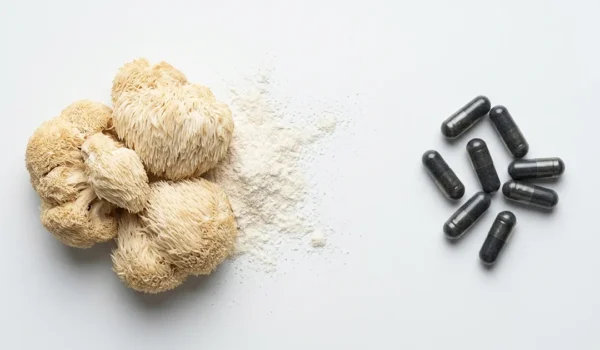

Microdosing red fly agaric (Amanita muscaria) is becoming an increasingly popular method for improving mental and physical health. Recent studies show that this method may be an effective means of combating various types of addictions, including alcohol addiction.
Microdosing Red Fly Agaric and Addictions:
- General Effect on Addictions:
- Neurochemical Impact: Red fly agaric contains active components, such as muscimol and ibotenic acid, which can affect brain activity. Muscimol is a GABA receptor agonist, which helps calm the nervous system and reduce anxiety and stress levels. Ibotenic acid converts to muscimol and enhances this effect.
- Reducing Substance Cravings: Microdosing red fly agaric can reduce cravings for addictive substances and alleviate withdrawal symptoms. This is due to its ability to regulate levels of neurotransmitters, such as dopamine and serotonin, which play a key role in addiction mechanisms.
- Alcohol Addiction:
- Reducing Alcohol Consumption: Studies have shown that microdosing red fly agaric can help reduce alcohol consumption and alleviate withdrawal symptoms. This is due to its ability to modulate the functioning of GABA receptors, reducing the need for alcohol to achieve calm and relaxation. Muscimol, the active substance of fly agaric, interacts with ethanol molecules. This interaction reduces the desire to consume alcohol, as muscimol intercepts the initiative, decreasing the craving for alcohol. However, if alcohol has already been consumed, alcohol takes the initiative from muscimol, weakening its effects.
- Restoring Neurotransmitter Balance: Red fly agaric helps restore the balance of neurotransmitters in the brain, which is important for combating alcohol addiction. For example, muscimol can increase GABA activity, reducing excitation and cravings for alcohol.
- Improving Mood and Reducing Stress: Muscimol has a calming effect, improves mood, and reduces anxiety, helping to cope with emotional triggers that can lead to alcohol consumption. Fly agaric helps adapt to stress, improving mental health and reducing the need for alcohol to relieve stress. This is due to its impact on the serotonin system, which helps improve emotional state.
Mechanism of Action:
- Impact on Neurotransmitters:
- GABA Receptors: Active components of red fly agaric affect GABA receptors in the brain, helping to calm the nervous system and reduce anxiety and stress levels. This can play a key role in alleviating addiction symptoms and improving mental health.
- Dopamine and Serotonin: Microdosing red fly agaric can increase dopamine and serotonin levels, helping to reduce cravings for narcotic substances and improve mood. This is especially important for people with addictions, as these neurotransmitters play a key role in addiction mechanisms and mood..
- Cognitive and Emotional Effects:
- Improving Mood and Cognitive Functions: Microdosing red fly agaric promotes improved mood, increased cognitive functions, and reduced depression levels. This can help people suffering from addictions cope with emotional triggers and reduce the likelihood of relapses. The effect is achieved through the impact on the serotonin and dopamine systems, improving emotional state and cognitive abilities.
- Reducing Anxiety and Stress: Muscimol, the main active component of red fly agaric, acts as a calming agent, reducing anxiety and stress levels. This helps people with addictions feel calmer and more resilient to stressful situations, reducing the likelihood of consuming alcohol or other substances. It also helps improve sleep quality and overall well-being.
- General Addictions:
- Neuroprotective Impact: Muscimol improves neuroplasticity, promotes the regeneration of nerve cells, and the formation of new neural connections. This can be useful in treating addictions, improving cognitive functions and perception.
- Stimulating Neurotransmitters: Active substances of fly agaric interact with GABA receptors, promoting relaxation and reducing anxiety. This helps reduce depression symptoms and improve overall well-being, which is important for people with addictions.
- Antioxidant and Anti-inflammatory Properties: Red fly agaric has antioxidant and anti-inflammatory properties, helping to reduce oxidative stress and inflammation in the body, often associated with chronic substance use.
Conclusion:
- Fly agaric not only helps mentally cope with alcohol addiction (improving mood, providing calmness and freedom from obsessive thoughts, adapting to stress from which a person abstracts by taking alcohol, escaping negative psycho-emotional states), but also has a chemical impact on addiction, reducing the desire and pleasure of taking it.
- Microdosing red fly agaric shows promising results in combating alcohol and other types of addictions. This method can help restore the balance of neurotransmitters in the brain, reduce anxiety and stress levels, and improve cognitive functions and overall mental health.
- Although current research shows promising results, more data is needed to confirm its effectiveness and understand how it works properly, such as clinical studies. However, it is also worth considering the thousands of reviews from people who have been helped by fly agaric for many years.
References to research and additional materials can be found in sources like ACS Lab и Amanita Explorer.