What Is Microdosing Mushrooms?
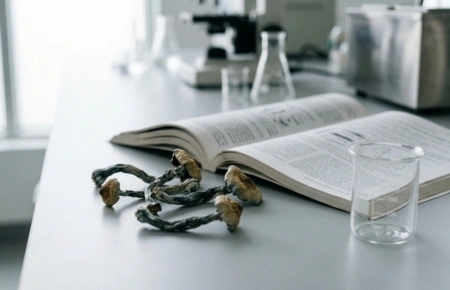
Microdosing psilocybin mushrooms means taking a sub-perceptual dose — small enough that hallucinations, sensory distortion, or any full psychedelic experience do not occur. The commonly cited range is roughly 0.1–0.5 g of dried psilocybin mushrooms, though no official clinical or regulatory standard defines a microdose. A practical benchmark used in some research is approximately 10% or less of the amount typically needed to produce noticeable perception-altering effects.
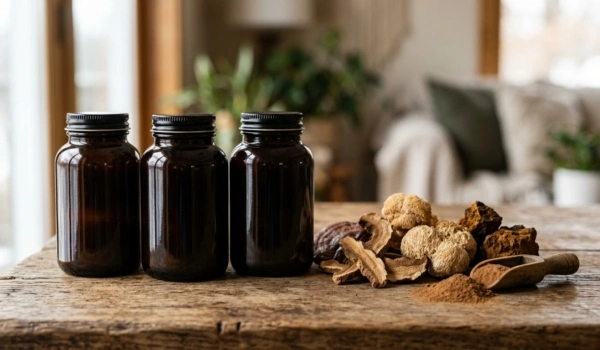
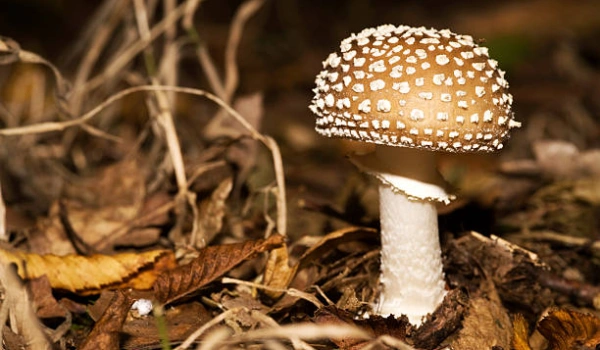
Psilocybin mushrooms are a distinct category from functional mushrooms such as lion’s mane, reishi, chaga, or cordyceps — non-psychedelic culinary and supplement mushrooms with their own separate research and safety profiles. Psilocybin mushrooms are also different from Amanita muscaria, which contains the psychoactive compound muscimol rather than psilocybin and carries its own separate risk profile. These categories should not be conflated.
According to a 2023 nationally representative RAND survey, approximately 47% of people who reported using psilocybin mushrooms in the past year said they were microdosing the last time they used the substance. That figure suggests a substantial share of psilocybin use in the general population is occurring at sub-perceptual doses, not at full psychedelic doses.
Why People Say They Microdose: Reported Reasons and Anecdotal Effects
Self-reported motivations for psilocybin microdosing cluster around mood, mental health, and cognitive performance. People commonly describe using sub-perceptual doses to manage symptoms of anxiety or depression, to improve emotional stability, or to feel more creative and focused. Some individuals report microdosing specifically to manage cluster headaches, a condition for which anecdotal accounts have circulated for years.
These are self-reported reasons, not confirmed therapeutic outcomes. The data behind them come primarily from surveys and observational studies — populations who chose to microdose and then reported what they experienced. People who seek out a practice and believe it will help them are already predisposed to positive reports, which is a meaningful limitation of this evidence base.
Observational studies consistently show more positive effects than controlled trials have been able to replicate under blinded conditions. A 2025 critical review of the microdosing literature noted exactly this gap: observational studies report more benefit, while placebo-controlled designs produce much weaker or null findings. That difference is central to understanding what the research actually shows — and what remains genuinely uncertain.
What Controlled Research Actually Shows
When psilocybin microdosing is tested under controlled double-blind conditions, the results are considerably less clear than anecdotal accounts suggest. A double-blind placebo-controlled study examining 0.5 g of dried psilocybin mushrooms found that participants did experience noticeable subjective effects and measurable changes in EEG theta-band brain rhythms. What the study did not find was any significant enhancement of well-being, creativity, or cognitive function beyond what the placebo group experienced.
The most important methodological detail from that study is the unblinding problem. Reported acute effects were significantly more intense only among participants who correctly identified whether they had received the active substance or the placebo. People who figured out they were in the psilocybin condition reported stronger effects — which strongly suggests that expectancy, not pharmacology alone, is driving a substantial portion of what people experience.
“The acute effects of psilocybin microdoses were moderated by expectancy, with effects being stronger in participants who correctly identified their experimental condition.” — PMC controlled microdosing study
This expectancy effect is not a minor methodological footnote — it is the central finding that separates controlled trial results from observational and anecdotal reports. When participants do not know whether they took an active substance, many of the reported benefits disappear or become statistically indistinguishable from placebo responses. That pattern has appeared across multiple controlled studies.
A 2025 critical review of the psilocybin microdosing literature concluded that observational research consistently reports more benefit than controlled trials, and that the field still lacks rigorous long-term data on both efficacy and safety. The review reflects where the science genuinely stands: early, incomplete, and in need of better-designed trials.
The research landscape is nonetheless evolving. Active Phase II clinical trials are currently investigating psilocybin microdosing combined with psychotherapy for treatment-resistant depression. One example is trial NCT07183748 at the Beersheva Mental Health Center, which was recruiting participants as of 2025. These trials represent the field moving toward the kind of controlled, structured evidence that observational studies cannot provide.
Safety Risks and Contraindications
Sub-perceptual doses do not eliminate the safety risks associated with psilocybin. Several specific concerns apply regardless of dose size, and anyone with relevant medical conditions or current medication use should speak with a qualified medical professional before considering this practice.
Cardiovascular risk: Psilocybin activates the 5-HT2B serotonin receptor, and in medical literature, chronic activation of this receptor has been associated with valvular heart disease. This is a long-term concern for regular or repeated sub-perceptual use — the risk does not disappear because the dose is small.
Potency variability: Psilocybin mushrooms are unregulated. Potency varies between batches, species, and individual specimens. Achieving a genuinely consistent sub-perceptual dose in practice is difficult, which means the line between a microdose and a perceptible experience is not reliably predictable outside a controlled laboratory setting.
The drug interaction profile for psilocybin is clinically relevant, particularly for people taking psychiatric medications. The table below summarizes the main interaction categories based on available evidence:
| Drug / Drug Class | Direction of Interaction | Key Concern |
|---|---|---|
| SSRIs / SNRIs (e.g., sertraline, venlafaxine) | May blunt psilocybin effects; rare risk of serotonin syndrome | Serotonergic overlap; unpredictable pharmacodynamic interaction |
| MAOIs (monoamine oxidase inhibitors) | Potentiate psilocybin; can make even a small dose feel overwhelming | Significantly increased intensity; higher risk of adverse psychological events |
| Lithium | Case reports of seizures and serious adverse events | Contraindicated combination in existing safety literature |
Psychiatric contraindications: A personal or family history of psychosis, schizophrenia, or bipolar disorder is consistently identified in the clinical literature as a contraindication for psilocybin use at any dose, including sub-perceptual amounts. Psilocybin’s mechanism of action involves serotonergic pathways that overlap with vulnerability factors in these conditions.
Anyone currently taking antidepressants, mood stabilizers, or other psychiatric medications — or anyone with a relevant psychiatric or cardiovascular history — should consult a qualified medical professional rather than attempting to self-medicate with unregulated psilocybin products.
Legal Status: Federal Law, State Decriminalization, and What That Means
Psilocybin remains a Schedule I controlled substance under U.S. federal law — the most restrictive legal category, reserved for substances considered to have no currently accepted medical use and a high potential for abuse. Purchasing, possessing, or distributing psilocybin mushrooms carries significant federal legal risk regardless of quantity or stated purpose.
As of 2025–2026, some U.S. states and cities have moved to decriminalize or create regulated frameworks for psilocybin. Oregon has developed a licensed service framework for supervised psilocybin sessions, and Colorado passed a measure decriminalizing personal possession of certain quantities. Several cities — including Denver, Oakland, and Seattle — have passed local decriminalization ordinances.
Decriminalization is not the same as legality. Where psilocybin has been decriminalized, local law enforcement may deprioritize possession arrests, but federal law is unchanged. Federal prosecution remains legally possible, and crossing state lines with psilocybin is a federal offense regardless of local ordinances in either jurisdiction. The legal landscape is also actively shifting — what applies in one location in 2025 may change in either direction.
The gap between state decriminalization and federal Schedule I status creates real legal exposure that varies significantly by location. The RAND research on psilocybin use patterns reflects a population navigating that uncertainty with limited legal clarity. Verifying current local, state, and federal law — ideally with legal guidance — is the only reliable step for anyone weighing the legal dimension of this topic.