What Are Magic Mushrooms?
At least 300 species of fungi around the world contain psilocybin and psilocin, the compounds responsible for their hallucinogenic properties. These mushrooms grow on nearly every continent and have been used in traditional ceremonial contexts by indigenous cultures for centuries — a history documented long before any modern pharmacological interest. The term “magic mushrooms” refers specifically to this psilocybin- and psilocin-containing category, and precision about that definition matters.
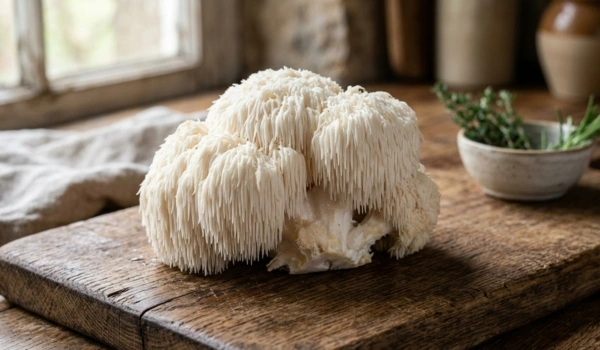
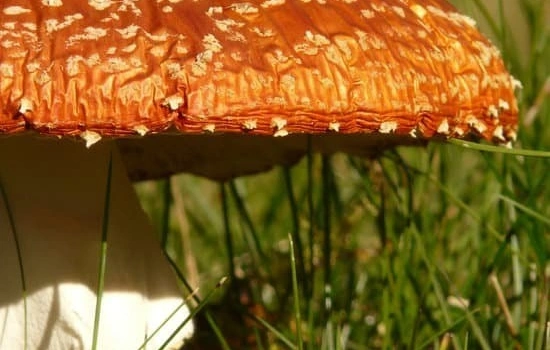
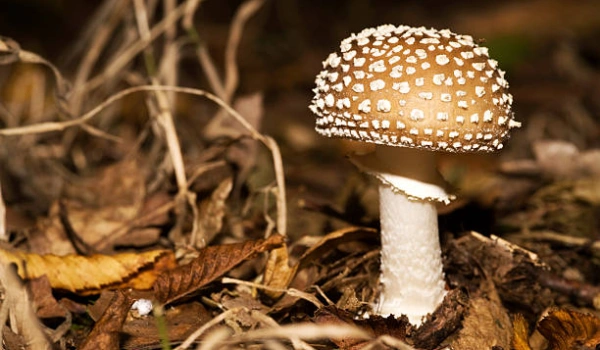
Magic mushrooms are not the same as Amanita muscaria, the red-and-white capped mushroom whose active compounds are muscimol and ibotenic acid — a chemically distinct group with a very different and considerably more dangerous toxicity profile. Nor are they related to functional mushrooms such as lion’s mane, reishi, chaga or turkey tail, which contain no psychoactive compounds and are sold legally as dietary supplements. Conflating these categories causes real confusion, including safety confusion.
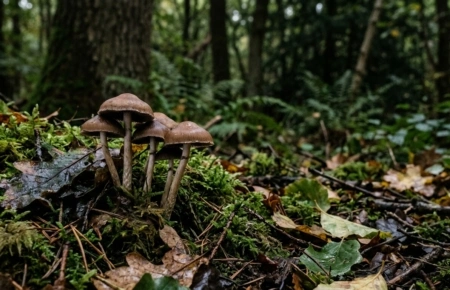
Most psilocybin-containing species belong to the genus Psilocybe, though psilocybin also occurs in several other genera. The National Institute on Drug Abuse (NIDA) notes that psilocybin is found in mushrooms growing across virtually every region of the world, which partly explains the breadth of traditional use and the ongoing scientific interest.
How Psilocybin Works in the Brain
Psilocybin itself is pharmacologically inactive when consumed. The body converts it relatively quickly into psilocin, the compound that crosses into the central nervous system and produces psychedelic effects. This makes psilocybin what chemists call a prodrug — a precursor that relies on metabolic conversion to become active.
Psilocin’s primary mechanism is agonism at the serotonin 2A (5-HT2A) receptor. In plain terms, it binds to and activates a type of serotonin receptor heavily concentrated in regions of the cortex involved in perception, mood and self-referential thinking. The result is a significant disruption of normal sensory processing and emotional regulation, which accounts for the perceptual distortions and altered states characteristic of the experience.
The molecular structure of psilocybin is similar enough to serotonin that it can cross the blood-brain barrier and influence the brain’s serotonergic system directly. What exactly happens downstream — how receptor activation translates into specific perceptual, emotional and cognitive changes — remains an active area of investigation. As NIDA acknowledges, scientific and medical experts are still in the early stages of understanding psilocybin’s full effects on the brain and mind. The receptor mechanism is well established; the broader neuroscience is not.
Effects and Risks
According to the California Poison Control System, effects typically begin within 15 to 45 minutes of ingestion and can last four to six hours depending on the individual, the amount consumed and the setting. The experience varies considerably between people and even between uses by the same person.
Psychological and Physical Effects
Reported psychological effects include visual and auditory distortions, a disrupted sense of time and space, intensified emotions and altered self-perception. Those emotions can shift sharply in either direction — some people report calm or euphoria, others experience acute fear, paranoia or a disorienting loss of the sense of self. These difficult or frightening experiences are sometimes called “bad trips” and are not uncommon, particularly in unfamiliar or unsupported settings.
Physical effects include increased heart rate, elevated blood pressure, nausea, dilated pupils and muscle weakness. These are generally not life-threatening in themselves, but impaired judgment during the experience creates real behavioral risks — accidents, dangerous decisions and an inability to accurately assess one’s environment.
Psychiatric Risk
Recreational use carries a specific and serious psychiatric caution. In individuals already at elevated risk for psychotic disorders, or with a personal or family history of conditions such as schizophrenia or bipolar disorder, psilocybin use may be associated with protracted psychosis or other lasting mental health problems. This is a documented risk that clinicians take seriously — not a rare edge case. Anyone with a personal or family history of psychiatric illness should treat this as a meaningful contraindication.
Toxic Look-Alike Mushrooms: A Potentially Fatal Hazard
One of the most underappreciated risks of recreational mushroom use is misidentification. Several highly toxic mushrooms closely resemble psilocybin-containing species to the non-expert eye. Consuming them by mistake can cause liver failure, kidney failure or death. The California Poison Control System identifies this as one of the primary safety concerns associated with recreational use — and it is entirely separate from the pharmacological effects of psilocybin itself. No precaution about mindset or environment addresses the risk of consuming the wrong mushroom entirely.
Addiction and Tolerance
Current research suggests psilocybin is not physically addictive and no physical withdrawal symptoms occur after stopping use. However, tolerance develops relatively quickly with repeated use, meaning the same amount produces a diminished effect. This differs from substances with strong physical dependence potential, though psychological distress from misuse remains a real concern.
| Effect or Risk Category | What Occurs | Key Consideration |
|---|---|---|
| Onset and duration | Effects begin in 15–45 minutes; last 4–6 hours | Timing varies by individual and amount consumed |
| Perceptual effects | Visual and auditory distortions, altered time and space perception | Can range from mild to overwhelming |
| Emotional effects | Intense emotions — euphoria through to acute fear and paranoia | Unpredictable; setting and psychological state matter |
| Physical effects | Increased heart rate, nausea, dilated pupils | Generally not life-threatening, but judgment is impaired |
| Psychiatric risk | Possible protracted psychosis in vulnerable individuals | Elevated risk with personal or family history of psychiatric conditions |
| Toxic look-alike poisoning | Accidental ingestion of toxic species resembling psilocybin mushrooms | Can cause liver failure, kidney failure or death — a distinct and serious hazard |
| Dependence potential | No physical addiction or withdrawal; rapid tolerance develops | Not physically addictive, but psychological distress from misuse remains possible |
Therapeutic Research and Medical Use
The last decade has seen a significant increase in formally funded research examining psilocybin as a potential treatment in supervised clinical settings. NIDA and NIH partners are currently supporting trials exploring psilocybin-assisted therapy for major depression, anxiety disorders, substance use disorders and obsessive-compulsive disorder. These involve established academic institutions and follow rigorous clinical protocols.
The Johns Hopkins Center for Psychedelic and Consciousness Research has been among the most active institutions in this area. Their work spans depression, anxiety associated with life-threatening illness, tobacco dependence and alcohol use disorder. Across all of these studies, psilocybin is administered in a carefully controlled environment with trained clinicians present before, during and after each session — a context that is categorically different from recreational or self-directed use.
In a small study of adults with major depressive disorder, Johns Hopkins researchers found that two doses of psilocybin administered alongside supportive psychotherapy produced rapid and substantial reductions in depressive symptoms — with effects that were notably larger and faster in onset than those typically seen with conventional antidepressants. The researchers described these findings as preliminary and called for larger controlled trials before any clinical conclusions could be drawn.
Similar early-phase findings have emerged in research on existential anxiety in people facing life-threatening illness and in studies on smoking cessation. The pattern across these areas is consistent: potentially meaningful signals in small, carefully supervised studies, accompanied by calls for replication at scale before any treatment recommendations can be made.
These are early-phase, small-sample trials conducted under strict clinical oversight. Psilocybin is not an approved medical treatment in the United States for any of these conditions. Promising early results are not the same as established, guideline-backed clinical treatments. Self-medicating with psilocybin based on trial findings is not equivalent to receiving a supervised clinical intervention — the gap between those two things is significant in terms of both safety and efficacy.
Legal Status Around the World
Psilocybin and psilocin are classified as Schedule I controlled substances under the U.S. Controlled Substances Act of 1970, placing them in the same federal legal category as heroin and LSD. The same classification applies internationally under the UN 1971 Convention on Psychotropic Substances, which the United States and most other countries have signed. Federal law in the US applies nationwide regardless of what individual states or cities choose to do.
Within the United States, a small number of jurisdictions have moved toward limited legal access. Oregon passed Measure 109 in 2020, creating a framework for licensed psilocybin services for adults 21 and older in supervised settings — not personal possession or home use, but a regulated service model. Colorado passed Proposition 122 in 2022, allowing adults 21 and older to possess and use psilocybin mushrooms personally and establishing a regulated access system. These state-level frameworks do not override federal law; they represent state decisions about enforcement priorities and local service regulation.
Outside the United States, Australia made a notable move in 2023 when its Therapeutic Goods Administration approved psilocybin for use in prescription medications for treatment-resistant depression and PTSD — making Australia one of the first countries to formally integrate psilocybin into its regulated pharmaceutical system, under strict conditions and through authorized psychiatrists only.
Internationally, the legal picture varies considerably. Some countries treat possession of small amounts as a minor civil matter; others maintain strict criminal penalties. The landscape is also changing, with regulatory reviews underway in several jurisdictions. Anyone with a direct interest in the legal status of psilocybin in their location should verify current local law and consult a qualified legal professional — this article reflects a snapshot of known policy and should not be treated as legal advice.
Common Questions
Are magic mushrooms the same as Amanita muscaria or “legal shrooms”?
No. Magic mushrooms contain psilocybin and psilocin. Amanita muscaria contains muscimol and ibotenic acid — different compounds, different pharmacology, different risk profile. Some vendors sell Amanita muscaria products as “legal mushrooms,” but that legal status reflects only the absence of psilocybin, not any established safety profile. Legal functional mushroom supplements such as lion’s mane or reishi are a third, entirely separate category with no psychoactive compounds at all.
Can psilocybin cause a lasting mental health episode?
Yes, in some people. Recreational use — particularly in those with a personal or family history of psychosis, schizophrenia or bipolar disorder — has been associated with prolonged psychotic episodes. This risk is not reliably predictable in advance, which is one reason research protocols include extensive psychiatric screening before participants are enrolled in clinical trials.
If psilocybin research results are promising, is it safe to try at home?
No. The positive findings from clinical trials come specifically from supervised settings where participants are screened for risk factors, monitored throughout the experience by trained professionals and supported in follow-up sessions. Replicating the substance without the clinical structure does not replicate the therapeutic context. Anyone considering psilocybin for a mental health condition should speak with a qualified medical professional rather than self-experiment.
Does psilocybin show up on a standard drug test?
Standard workplace drug panels do not typically screen for psilocybin or psilocin. However, specialized tests can detect them, and detection windows depend on the individual’s metabolism and the type of test used. Anyone with a specific concern about testing should consult a qualified professional rather than rely on generalizations.