There are over 2,000 species of edible mushrooms, but only a few are categorized as functional. They are not hallucinogenic or magic mushrooms, but they do contain essential vitamins, minerals, antioxidants, amino acids and more. Their various health-enhancing compounds can boost immunity and cognitive function, fight disease and aging, increase energy, and regulate stress.
Traditional Chinese medicine has been using functional mushrooms for thousands of years. More recently, Western markets have also begun using them in products such as mushroom powders, extracts, smoothies and pills.
The global market for functional mushrooms is projected to double to reach $19.33 billion by 2030.
In our first blog on functional mushrooms, we’ll look at the benefits of functional mushrooms, research and the best products, focusing on reishi, blackberry comb and cordyceps.
What are functional fungi?
Many people are familiar with psychedelic, so-called “magic” mushrooms. These mushrooms contain psilocybin, psilocin, and other serotoninergic hallucinogens (called tryptamines) that induce expansive experiences.
Functional mushrooms, on the other hand, are not psychedelic. They don’t contain tryptamines, which bind to serotonin receptors (in the brain and gut). Instead, they contain several medicinal compounds that boost gut health, immunity, and energy levels. This makes functional mushrooms 100% legal to consume and transport.
Ancient and indigenous cultures have celebrated functional mushrooms for their health benefits for thousands of years. Rich in antioxidants and nutrients, functional mushrooms include crested blackberry, shiitake, chaga, and reishi. The exact effects vary by species, but functional mushrooms typically include “medicinal” and “adaptogen” varieties.
- Medicinal mushrooms contain compounds that provide certain health benefits, such as antioxidant and cytotoxic properties that stop destructive oxidation and kill harmful cells. These mushrooms are classified as dietary supplements, meaning the Food and Drug Administration regulates them as foods, not drugs.
- Adaptogen mushrooms contain compounds “adaptogens ” that help the body’s stress response system function properly. Health benefits include improved brain function, increased energy levels, hormone balance and improved immune system function.
What are the health benefits of mushrooms?

Immune defense
Functional mushrooms contain macronutrients and antioxidants that support a healthy immune system and protect cells from damage that can lead to chronic disease. Some functional mushroom nutrients include:
- Selenium: Helps the body produce antioxidant enzymes that prevent cell damage.
- Vitamin D: Promotes cell growth, boosts immune function and reduces inflammation.
- Vitamin B6: Helps the body form red blood cells, proteins and DNA.
- Ergothioneine: This amino acid and antioxidant prevents or slows cell damage. A review of 17 cancer studies conducted between 1966 and 2020 found that eating just 18 grams of mushrooms (about two medium-sized mushrooms) a day can reduce the risk of cancer by 45%.
Mental focus and energy
Scientific studies show that functional mushrooms moderate the body’s stress response, support and nourish the adrenal glands and central nervous system, promoting mental focus and increased energy levels.
- Brain Health: Regular consumption of certain mushrooms can promote nerve and brain health, which is especially beneficial during recovery from injury and as the body ages.
- Nerve Growth Factor: Compounds found in lion’s mane mushrooms promote the production of nerve growth factor (NGF), potentially enhancing cognitive abilities by regulating and renewing cells in the nervous system.
- Memory Improvement: Preclinical research suggests that blackberry comb may reduce inflammation and biological markers of Alzheimer’s disease. A Japanese study found that lion’s mane supplements significantly improved cognitive performance in older adults with mild cognitive impairment.
- Reduce fatigue: Functionalized mushrooms can fight free radicals and oxidative stress, speeding up energy production.
Skin and gut health
Medicinal mushrooms are rich in antioxidants that help the skin and digestive system.
- Protects skin cells from accelerated aging and premature death caused by environmental pollutants and cell-damaging free radicals
- Improve digestion by acting as prebiotics to stimulate the growth of gut microbiota
- Improve skin conditions such as eczema and psoriasis through natural anti-inflammatory activity.
- Mushroom polysaccharides, their most carbohydrate-rich product, stimulate the growth of beneficial gut bacteria.
Stress management and sleep
Mushrooms are rich in potassium and ergothioneine, which help prevent oxidative stress and regulate nerve signals, alleviating symptoms of anxiety. Because anxiety directly affects sleep quality, adaptogen mushrooms may promote more restful nights.
- Stress tolerance: Functionalized fungi may support the growth of new brain cells (neurogenesis) in the hippocampus. This effect may increase stress tolerance through similar effects on certain neurotransmitters.
- Reducing Anxiety: A large study has found that people who eat mushrooms have a decreased likelihood of anxiety and depression. Medicinal mushrooms may reduce inflammation, which is a common symptom of anxiety disorders.
- Improve sleep: Reishi mushrooms affect the systems responsible for regulating rest cycles and promoting better quality sleep.
Main physiologically active compounds of fungi
Functionalized mushrooms contain several medicinal and adaptogenic compounds that promote their health and wellness.
- Polysaccharides
- Triterpenoids
- Sterols
- Prebiotics
- Antioxidants
- Enzymes (lactase, catalase, superoxide dismutase (SOD))
- Amino acids
- Polyphenols
- Proteins
- Peptides
- Flavonoids
- Digestive enzymes (proteases, lipases)
Which three mushrooms are the healthiest?
Reishi

Reishi is revered as the “king of mushrooms” in many Asian cultures. This multitasking mushroom modulates the body’s response to environmental stressors, making it ideal for promoting overall health and vitality. Its most popular and well-known benefits include reducing stress and fatigue, as well as helping to regulate rest cycles by increasing deep delta-wave sleep.
Latin name: Ganoderma lucidum
Appearance: Red is the most common color of reishi mushrooms, but this variety also comes in blue, yellow, black, white, and purple.
Taste: Bitter
Main active compounds: “Ganodermic acid” and other active components, mainly polysaccharides, triterpenoids, proteins, enzymes, steroids, sterols, nucleotides, fatty acids, vitamins and minerals. More than 400 different biologically!
Cordyceps

Cordyceps sinensis is the quintessential “energy” mushroom. In the wild, it grows on insects, particularly on the head of a caterpillar in the highlands of Tibet.
Historically, people consumed this functional mushroom for energy, vitality, stamina and a healthy immune system. Today, cordyceps mushrooms continue to gain popularity among athletes and people with active lifestyles because they increase the flow of oxygenated blood throughout the body and stimulate energy in the cells. They increase metabolic rate and endurance, and promote muscle recovery, especially after intense workouts.
Latin name: Cordyceps sinensis
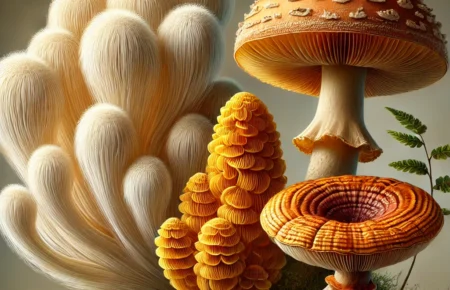
Appearance: Looks like a standing caterpillar or worm, with long brown or bright orange spindles and a small “mace” at the top
Taste: Mild, almost indistinguishable mushroom flavor with a sweetish aftertaste
Benefits: Increases energy levels, immunity, lung health and performance during exercise
Main active compounds: “Cordycepin” and its derivatives, cordycepin acid, ergosterol, polysaccharides, nucleosides and more than 400 other compounds
Bramble bramble

It resembles the white matter of the brain, reflecting its primary purpose: to improve brain health and cognitive function. Specifically, lion’s mane promotes attention, concentration and memory. A 2012 study found that this adaptogenic species has one of the highest antioxidant activities. It helps fight inflammation and oxidation in the body, potentially helping to treat several diseases including diabetes, heart disease and autoimmune diseases.
Latin name: Hericium (H.) erinaceus
Appearance: Fluffy, white, and resembling a lion’s mane.
Taste: Mild aroma and flavor, reminiscent of the taste of seafood
Benefits: Improved concentration, memory and mental clarity
The main active compounds: ‘gericenones’ and ‘erinacines’ help the brain produce more nerve growth factor (NGF). Erinacines easily cross the blood-brain barrier and stimulate neuronal production. Hericium erinaceus also contains a variety of phytochemicals including polysaccharides such as β-glucan, ericenones and erinacines. Ergosterol is also present in low concentrations.
Bottom line:

Functional mushrooms fall into various categories of healthy living, and their benefits are supported by thousands of years of use and modern research. Hedgehog comb, cordyceps and reishi are three of the most popular species that top store shelves and commercial stores.