What Are Psychedelic Mushrooms?
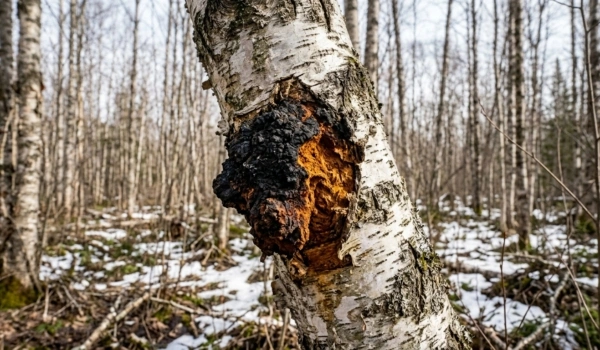
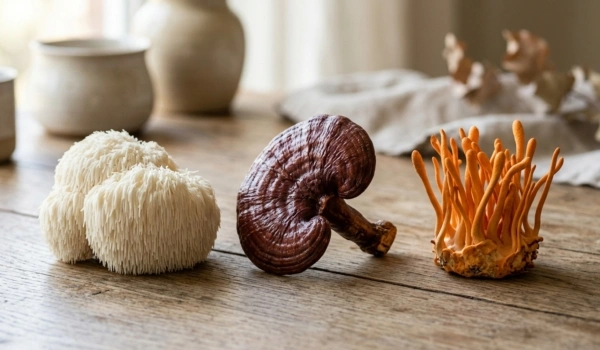
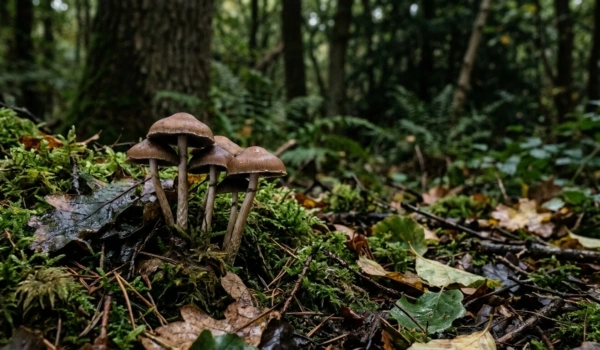
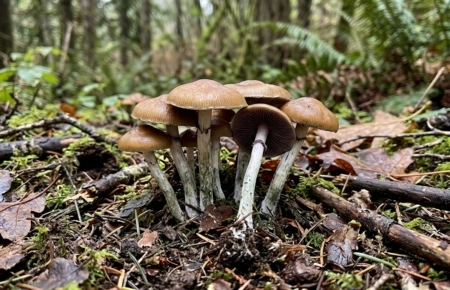
Psychedelic mushrooms are fungi that contain psilocybin, a naturally occurring psychoactive alkaloid that produces altered perceptions, mood changes, and hallucinations. The term most commonly refers to species within the Psilocybe genus, which includes several hundred species found across different continents. When ingested, psilocybin is converted by the body into psilocin, the compound responsible for the psychedelic experience. Psilocybin mushrooms are not the same as Amanita muscaria, which contains muscimol and ibotenic acid rather than psilocybin, and they have no connection to legal functional mushrooms such as lion’s mane, reishi, or chaga, which are sold as dietary supplements and carry no psychedelic properties.
The use of psilocybin mushrooms in religious and ceremonial contexts has been documented for an estimated 6,000 to 7,000 years, with evidence of ritualistic use found in Mesoamerican cultures. This historical record explains why researchers and anthropologists have long taken an interest in the compound’s cultural significance and psychological effects — it does not reflect on the safety of unsupervised modern use.
Psilocybin mushrooms are sometimes called magic mushrooms in informal or street contexts. Regardless of the label used, the active compound — psilocybin and its metabolite psilocin — determines the pharmacological effects and the legal classification that applies in most countries.
How Psilocybin Works in the Brain
After ingestion, psilocybin is rapidly converted to psilocin in the body through dephosphorylation. Psilocin is the compound that acts directly on the brain. Its primary mechanism is agonism at the serotonin 2A receptor, commonly written as the 5-HT2A receptor — meaning psilocin binds to and activates this receptor in ways that partially mimic serotonin but produce substantially different downstream effects.
The 5-HT2A receptor is distributed widely across the cerebral cortex, particularly in areas associated with sensory processing, perception, and higher-order cognition. When psilocin activates these receptors, it disrupts the normal filtering and integration of sensory information, which is believed to underlie the hallucinations, altered sense of time, and shifts in self-perception that users report.
Beyond serotonin receptor activity, psilocin also has downstream effects on glutamate and dopamine signaling, according to a 2025 review published in PMC. Glutamate is the brain’s primary excitatory neurotransmitter, and its involvement may help explain the intensity and breadth of psilocybin’s cognitive effects beyond what serotonin receptor activity alone would predict. These interactions are an active area of pharmacological research, not fully characterized mechanisms of a well-understood drug.
This mechanism of action is pharmacologically distinct from stimulants, opioids, and cannabis. Psilocybin does not act on dopamine receptors as its primary target, which is one reason researchers have explored it separately from substances with higher addiction potential — though this does not mean it carries no risks.
Psychological and Physical Effects
The effects of psilocybin mushrooms are dose-dependent and vary considerably between individuals depending on body weight, prior experience, environment, and mental state at the time of ingestion. According to NIDA, both psychological and physical effects are well-documented across the clinical and research literature.
On the psychological side, effects can range from euphoria and a sense of profound connection to intense anxiety, paranoia, and disorientation. The same compound can produce very different experiences in different people, or even in the same person on different occasions. A “bad trip” — a distressing psychological experience during psilocybin use — is a recognized risk that can involve panic, confusion, and a loss of contact with consensual reality. These experiences can be psychologically disturbing even when they do not involve a medical emergency.
Hallucinogen-persisting perception disorder, or HPPD, is a rare but formally documented condition associated with hallucinogen use, including psilocybin. According to NIDA, HPPD involves the recurrence of perceptual disturbances — such as visual distortions or flashbacks — that can persist for weeks to years after use, without re-administration of the substance. Its exact prevalence is not precisely established, and it appears to be uncommon, but it is not theoretical.
| Effect Type | Documented Effects | Source Context |
|---|---|---|
| Psychological | Euphoria, hallucinations, altered perception of time, relaxation, anxiety, paranoia, confusion | NIDA; 2025 PMC review |
| Physical | Increased heart rate, elevated blood pressure, dilated pupils, nausea, dizziness | NIDA |
| Persistent Risk | Hallucinogen-persisting perception disorder (HPPD) — flashbacks lasting weeks to years | NIDA |
| Behavioral Risk | Dangerous behavior due to impaired judgment during the experience | NIDA |
Physical effects are generally transient and tied to the duration of the experience, which typically lasts several hours. Elevated heart rate and blood pressure during that window are relevant risks for individuals with underlying cardiovascular conditions.
What Clinical Research Has Found
A growing body of legitimate clinical research is investigating psilocybin as a potential treatment for several psychiatric and behavioral health conditions, though no psilocybin-based therapy has received FDA approval in the United States. The research findings discussed here come from supervised clinical trial settings with screened participants, therapeutic support, and controlled conditions — circumstances that differ fundamentally from unsupervised personal use.
NIDA supports ongoing clinical research into psilocybin for substance use disorders, including smoking cessation, as well as for cancer-related mental health issues such as anxiety and depression in patients facing terminal illness. These are active areas of investigation, not approved treatments.
Research at Johns Hopkins University has drawn particular attention in the depression literature. Studies there showed that two doses of psilocybin, administered with psychotherapy and structured therapeutic support, produced rapid and large reductions in depressive symptoms in adults with major depression. The 2025 PMC review summarizing evidence across multiple studies noted positive signals in treatment-resistant depression and end-of-life psychological distress as well.
Several points are worth holding clearly when reading about this research. Participant selection in clinical trials typically excludes individuals with a personal or family history of psychotic disorders, certain cardiovascular conditions, and other contraindications — meaning trial results do not reflect outcomes in the general population. Psilocybin in these studies is administered in a highly controlled, monitored environment with trained professionals present throughout. Researchers continue to study optimal protocols, long-term outcomes, and risk profiles; early findings are promising in specific contexts, but they remain early findings.
The 2025 PMC review also noted that psilocybin has a relatively low level of toxicity compared to many other psychoactive substances and a low potential for fatal events. Both the review and NIDA emphasize, however, that unsupervised use carries significant health risks that are not eliminated by low acute toxicity. Low fatal risk is not the same as safe for general use.
Risks and Safety Considerations
Unsupervised use of psilocybin mushrooms carries a documented set of risks that extend beyond the psychological effects described above. NIDA identifies agitation, confusion, nausea, and elevated heart rate and blood pressure as physical risks associated with use. For individuals with pre-existing cardiovascular conditions, these effects represent a meaningful clinical concern.
One practically significant risk is mushroom misidentification. Wild mushroom foraging is inherently error-prone, and several species that resemble Psilocybe mushrooms are highly toxic. Ingesting a look-alike toxic species has caused severe illness and death. This is a documented reason why foraging for any wild mushroom without expert-level identification skill is dangerous.
A separate and more recent risk involves unregulated commercial products. According to NIDA, CDC reports have documented that certain products marketed or sold as containing psilocybin — including some packaged candy bars — have been found to contain toxic chemicals rather than, or in addition to, psilocybin. These products caused severe illness in some cases. Because psilocybin remains federally illegal and unregulated in the United States, there is no quality control, labeling oversight, or third-party verification of what any street or unregulated commercial product actually contains.
HPPD represents a longer-term risk. While rare, its potential duration — weeks to years — and the absence of reliable treatment protocols make it a serious consideration rather than a minor footnote.
People with a personal or family history of psychosis, schizophrenia, or bipolar disorder carry elevated risk of adverse psychiatric reactions to psilocybin, which is why clinical trials routinely screen out these individuals. Anyone with relevant psychiatric history, cardiovascular conditions, or who is pregnant should not self-experiment with psilocybin mushrooms and should consult a qualified medical professional before pursuing any interest in clinical programs where psilocybin-assisted therapy may eventually become available.
Legal Status in the U.S. and Globally
Under U.S. federal law, psilocybin is classified as a Schedule I controlled substance — a category defined by the federal government as having no currently accepted medical use and a high potential for abuse. This classification makes possession, sale, and cultivation of psilocybin mushrooms illegal at the federal level across the entire United States, regardless of what individual states have enacted.
Several states have moved to create limited exceptions. Oregon passed Measure 109 in 2021, establishing a framework for supervised psilocybin therapy administered by licensed service centers — the first state-level legalization of this kind in the U.S. Colorado followed in 2022, passing Proposition 122 to allow supervised therapeutic use at licensed healing centers. New Mexico enacted legislation to establish a medical psilocybin program by the end of 2027. A small number of cities have also passed decriminalization measures, which typically deprioritize enforcement rather than legalize psilocybin outright.
State-level legalization or decriminalization does not protect individuals from federal prosecution. Federal law supersedes state law, and individuals who comply with Oregon or Colorado state programs remain technically subject to federal enforcement. In practice, federal enforcement priorities shift over time, but the legal exposure is real and should not be dismissed.
Outside the United States, Australia legalized medicinal psilocybin use in 2023, allowing authorized psychiatrists to prescribe it in specific clinical contexts — one of the most significant national-level regulatory shifts to date. In most other countries, psilocybin mushrooms remain controlled substances. Legal status varies significantly across jurisdictions, and what is decriminalized or tolerated in one country may carry serious criminal penalties in another.
Nothing in the state or international exceptions described here constitutes legal advice. Anyone with questions about their specific legal situation should consult a qualified attorney rather than relying on general overviews.
Clinical research into psilocybin is advancing across depression, addiction, and end-of-life distress, generating legitimate scientific interest at a pace not seen in prior decades. The gap between supervised clinical research and unsupervised personal use remains wide — in terms of safety, legal status, and the therapeutic support structures that appear to matter for outcomes. Anyone with a personal or clinical interest in psilocybin-assisted therapy should discuss it with a qualified medical professional rather than attempting to replicate clinical conditions independently.