The use of psychedelic substances in subsensory doses, known as microdosing, is gaining increasing attention from both the general public and the scientific community. It is believed that microdosing can have a positive effect on mood, cognitive ability, and overall well-being.
Key substances and methods
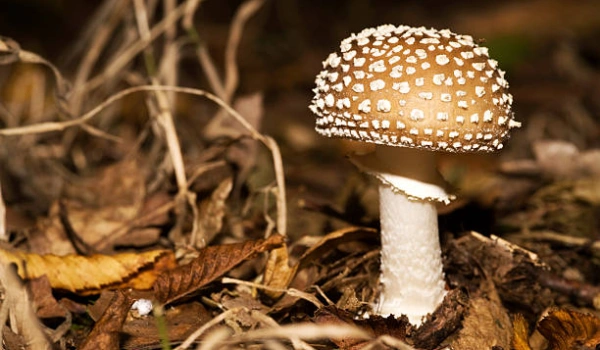
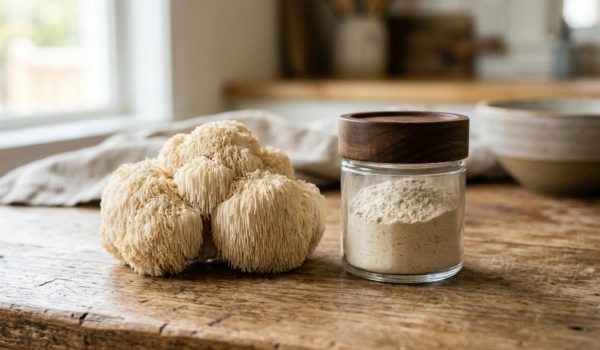
Psilocybin is the most commonly used substance for microdosing. There are different approaches to its use, including variations in dosage, frequency of administration and so-called “stacking” – combining psilocybin with non-psychedelic substances such as hedgehog mushrooms, chocolate or niacin.
Research shows that microdosing individuals do not differ from people who do not microdose, in terms of key demographics, but are more likely to report a history of mental health problems. Among those who experienced such problems, microdosing showed lower levels of depression, anxiety, and stress, regardless of gender. Key motivations include improved health and well-being.

Historical context
Psychedelics have a long history of use among Native American peoples such as the Mazatec, Huichol, Shipibo, and others. These substances were used for both ritual and medicinal purposes. Nevertheless, traditional practices were repressed by the colonizers and later by the US-led “war on drugs.”

Today, psychedelics are once again seen as promising tools for treating mental illness and improving overall well-being. The Masatec people, for example, have documented the use of both high and low doses of psilocybin mushrooms to treat emotional and physical conditions.
Microdosing practice
The exact parameters of microdosing have not yet been standardized. Microdosing generally refers to regular self-reported use of subsensory doses of psychedelics over a limited time period. There is also a growing interest in stacking – combining microdoses with substances that enhance their effects. Historical evidence supports the use of such combinations, for example, the Aztecs added cocoa to psilocybin mushrooms (“chocolate mushrooms”).
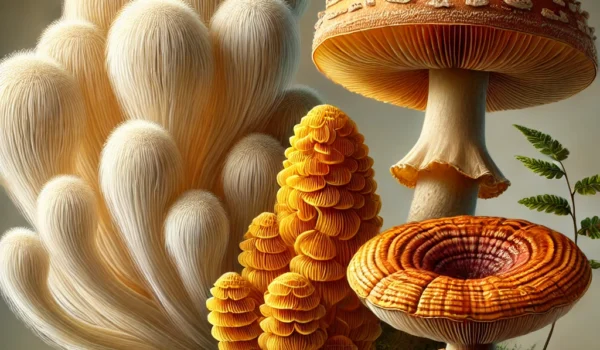
Current research is also exploring the potential cognitive effects of the mushrooms scalloped hedgehog and Syrian ruta, which may complement the actions of psilocybin through biochemical interactions such as inhibiting monoamine oxidase (slowing down an enzyme so that beneficial substances in the brain last longer).
Motivations and effects
Research reveals a wide range of motivations for microdosing, including:
- Reducing anxiety and depression.
- Improved mood and general well-being.
- Enhancing cognitive abilities and creativity.
- Reducing stress levels and improving social adjustment.
People with mental health disorders are more likely to use microdosing to improve mood, reduce anxiety, and withdraw from other psychoactive substances. Women were more likely to report improved emotional well-being, while men associated microdosing with increased learning and productivity.
Research results
One large international study (involving more than 8,700 people from 84 countries) found that microdosing showed lower levels of depression, anxiety and stress compared to a control group. Improvements in mood and cognitive function were also noted among respondents who regularly practiced microdosing.
Subgroup analyses showed that the microdosing effect persisted even when past use of high doses of psychedelics was taken into account. This confirms the potential usefulness of microdosing as a stand-alone practice.

Bottom line
Microdosing integrates a variety of practices that include variations in dosage, frequency, and combinations of substances. Research supports its mental health benefits, especially in reducing anxiety and depression and improving overall well-being.
More research is needed to better understand the effects of microdosing, taking into account the variety of methods and their effects on cognitive and emotional aspects.