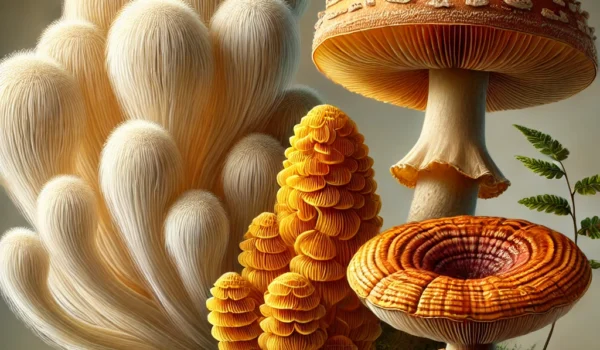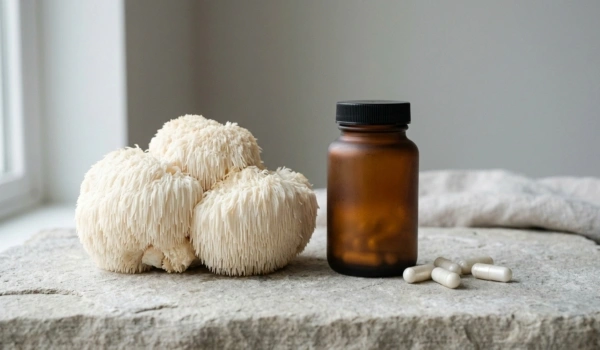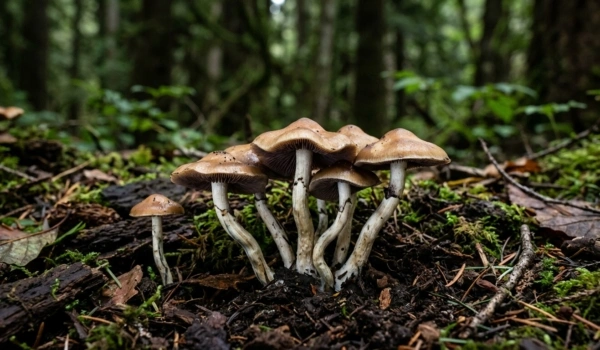
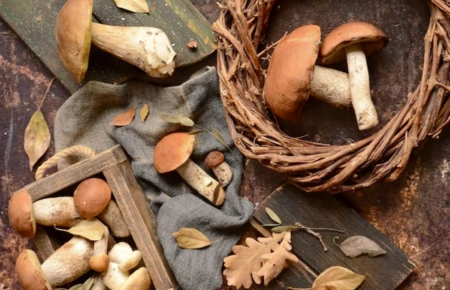
Functional mushrooms are one of the latest trends in holistic healthy eating, appearing in products from protein powders to coffee blends to energy bars. These anti-inflammatory, gut-healing and immune-boosting mushrooms.
Here we will look at some of the best functional mushrooms including shiitake, maitake and agaricus, exploring their traditional medicinal uses, modern benefits and most bioavailable product types.
What are functional mushrooms and what are their benefits?
Functional Mushrooms – Adaptogenic and Medicinal Properties
Functional mushrooms are edible mushrooms with therapeutic properties. They do not contain psilocybin, the compound responsible for psychedelic effects. These edible and medicinal varieties are rich in antioxidants and nutrients that help strengthen both the brain and body. Some of their key functions include:
- Regulating immune defense
- Enhancing mental focus and energy
- Improving skin and gut health
- Reducing stress
- Regulating sleep cycles
Medicinal and Adaptogenic Functional Mushrooms
Functional mushrooms are medicinal, meaning they help prevent and combat diseases. Most of them are also adaptogens, which means they help the body cope with everyday stress by regulating the production of stress hormones and supporting homeostasis.
Medicinal properties mean that these mushrooms contain immune-boosting compounds such as beta-glucans, amino acids, and antioxidants. They help prevent oxidative stress, nourish the gut microbiome, and protect cells from damage caused by diseases.
Adaptogenic properties refer to a wide range of phytochemicals, including vitamins, minerals, and enzymes, that help the body adapt to physical, chemical, and biological stressors, such as physical exertion, environmental pollution, or anxiety. As a result, these mushrooms can enhance cognitive function, strengthen the immune system, regulate nerve signals, balance hormones, and much more.
Shiitake, Maitake, and Agaricus Mushrooms
Shiitake, Maitake, and Agaricus mushrooms possess numerous adaptogenic and medicinal properties. For thousands of years, these mushrooms have been an integral part of the diet and wellness practices of many cultures.
Shiitake / Lentinula edodes

Scientific Title: Lentinula edodes
Characteristics: Shiitake mushrooms have large, umbrella-shaped, dark brown or sometimes black caps with gills underneath and thin, tough, cream-colored stems.
Flavor: Shiitake mushrooms have a rich, deep flavor often described in culinary circles as “umami”—savory and almost meaty. They make an excellent meat substitute in vegetarian recipes and are a key ingredient in many Asian cuisines.
Key Active Compounds:
- Polysaccharides
- Terpenoids
- Sterols
- Lipids
Benefits:
Traditional Chinese medicine and other cultures have recognized the healing power of shiitake mushrooms for thousands of years. From a nutritional perspective, shiitake mushrooms are rich in vitamins and minerals and contain many of the same amino acids found in meat.
| Nutrient | Amount | % Daily Value |
|---|---|---|
| Vitamin B1 (Thiamine) | 0.15 mg | 12% |
| Vitamin B2 (Riboflavin) | 0.2 mg | 15% |
| Vitamin B3 (Niacin) | 4.8 mg | 30% |
| Vitamin B5 (Pantothenic Acid) | 1.5 mg | 15% |
| Vitamin B6 | 0.3 mg | 10% |
| Folic Acid | 13 µg | 3% |
| Vitamin D | 0.2 µg | 2% |
| Iron | 0.4 mg | 2% |
| Magnesium | 20 mg | 5% |
| Phosphorus | 80 mg | 8% |
| Potassium | 304 mg | 15% |
| Zinc | 1.0 mg | 10% |
1. Fights Cancer and Inflammation: Shiitake mushrooms contain polysaccharides, terpenoids, sterols, and lipids. Research shows that many of these bioactive compounds protect against cancer and inflammation, boost immunity, and lower cholesterol levels.
Additionally, these mushrooms are rich in antioxidants, which help prevent cell damage. Researchers believe there is a link between consuming shiitake mushrooms and a reduced risk of prostate cancer.
2. Promotes Bone Health: Dried shiitake mushrooms contain significant amounts of vitamins and minerals such as vitamin B5, selenium, zinc, folate, and others. Shiitake mushrooms are also an excellent source of vitamin D (ergocalciferol), which promotes bone strength. It is said that exposing these mushrooms to direct sunlight for a day or two can increase their vitamin D content by up to 460 times.
3. Promotes Heart Health: Shiitake mushrooms contain a soluble fiber called beta-glucan, which helps lower cholesterol levels and promotes heart health.
Maitake

Scientific Name: Grifola frondosa
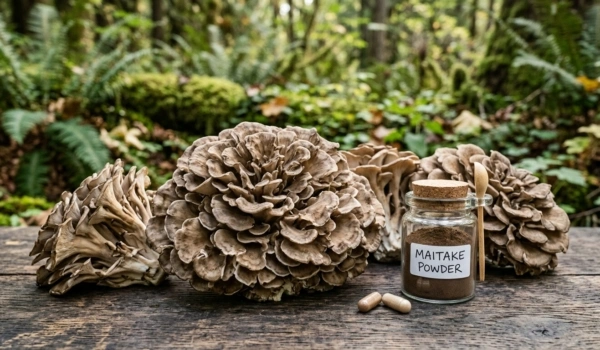
Features: Maitake mushrooms, also known as “hen of the woods,” grow in large clusters of flattened brown caps with white edges that curve like spoons, resembling the ruffled feathers of a sitting hen.
Taste: Maitake mushrooms have a strong, earthy, peppery flavor that is best appreciated when cooked.
Key Active Components:
- Polysaccharides
- Beta-glucans
- Heteroglycans
- Sterols and phenolic compounds.
Benefits:
Translated from Japanese, “maitake” means “dancing mushroom,” named after people who danced with joy due to its incredible healing properties. Maitake mushrooms have strong adaptogenic properties, making them useful in treating high or low blood pressure and boosting immune function.
1. Fights Cancer: Research shows that maitake mushrooms can combat the growth and proliferation of cancer cells and suppress tumor growth. A 2013 study found that maitake mushrooms may help prevent and treat breast cancer.
2. Improves Cholesterol Levels: A 2013 study found that freeze-dried maitake mushroom powder reduced cholesterol levels in mice and increased fatty acid content, which provides energy. The findings suggest that maitake mushrooms may help maintain arterial health by altering the expression of lipid-metabolizing genes in the liver.
3. Combats Type 2 Diabetes: A 2015 study on animals found that fermented maitake mycelium and submerged culture broth positively affected glucose levels, indicating potential use in treating type 2 diabetes in humans.
Agaricus

Scientific Name: Agaricus blazei
Features: Agaricus mushrooms are medium to large in size with white or brown caps, sometimes with a yellow or red tint.
Taste: Varieties of Agaricus mushrooms appear in supermarkets under names like “white buttons,” “cremini mushrooms,” and “portabella mushrooms.” They have earthy, hay-like, soy, potato, and woody aromas that are excellent for cooking. Some varieties have a more intense flavor, even resembling dark meat.
Key Active Components:
- Ergosterol
- Ergothioneine
- Flavonoids
- Beta-glucans
- Chitin
Benefits:
Agaricus mushrooms have numerous health benefits, supporting immune function and relieving physical and emotional stress. These popular mushrooms can combat type 2 diabetes, high cholesterol, and digestive issues, as well as prevent heart and bone diseases.
1. Fights Type 2 Diabetes: Research shows that Agaricus mushrooms contain active compounds that can improve insulin use and reduce insulin resistance in people with type 2 diabetes.
2. Alleviates Chemotherapy Side Effects: Agaricus mushrooms can reduce stress and strengthen the immune system. Ongoing research shows that taking Agaricus mushroom extract may reduce some chemotherapy side effects, including weakness and loss of appetite.
Which Types of Products Are Most Bioavailable?
Mushroom cells contain chitin—a tough and hard-to-digest material. As a result, they rank low in bioavailability, meaning the amount of nutrients absorbed by the body.
The most accessible way to obtain essential nutrients from shiitake, maitake, and Agaricus mushrooms is to cook them, which breaks down the chitin, making it easier for the body to process. Mushroom extracts in tinctures, teas, powders, and capsules are also highly bioavailable forms of consumption.
- Whole Foods: Shiitake, maitake, and Agaricus mushrooms, especially cremini and portobello, have an earthy, umami flavor that works well in fresh and dried dishes. These mushrooms are popular in stir-fry, grill, bake, sauté, and stuffing recipes.
- Tea involves soaking dried and ground mushroom material in a liquid solvent, such as water, which releases the nutrient compounds locked in their cells. Extraction exponentially increases bioavailability and allows for concentrated blends rich in adaptogenic compounds.
- Powders: Bulk powders are economical and easily added to recipes like teas, soups, smoothies, and even pizza and desserts. A teaspoon of powder made from mushroom extracts can provide a daily dose of therapeutic properties.
- Capsules: Capsules with pre-measured supplement doses offer a convenient and compact way to get one recommended daily serving of functional mushrooms. For example, Maitake D-fraction is a mushroom extract sold in capsule and extract form, popular for its immune-boosting effects.
- Tinctures: Functional mushrooms in tincture form can serve as a powerful way to consume them, depending on the function they are meant to perform in your body. Keep in mind that not all tinctures are created equal, as some are more concentrated than others due to the mixed use of water-alcohol mixtures by some manufacturers compared to others who concentrate oils extracted with alcohol; these concentrated oils are then infused into vegetable glycerin as a carrier for mushroom terpenoids. Additionally, the body processes tincture formulas faster than capsules and powders, as they are absorbed through the mucous membranes in the mouth rather than digested in the intestines.
Conclusion
Shiitake, maitake, and Agaricus mushrooms have long been valued in the kitchen for their wide range of therapeutic properties. Medicinal and adaptogenic mushrooms like these do not cause psychedelic effects and are rich in antioxidants and nutrients. They can lower cholesterol, boost the immune system, fight cancer and type 2 diabetes, improve skin health, and more.